
A friend in Dubai once handed me a small tin from a spice souk in Deira and said, “try this tea, it will help you sleep.” I opened it expecting the familiar smell of black tea. Instead a wave of chamomile, dried rose and a whisper of fennel came up. That was the moment I understood the gap between what most people call tea and what a herbalist would call a tisane. The word tea, strictly speaking, belongs to one plant. Everything else in that tin, and in most of the pretty pouches on shelves across the UAE, is a botanical infusion wearing the tea label as a convenient loan word.
That small confusion matters, because it changes how you buy, brew and store what ends up in your cup. Once you see herbal tea for what it actually is, a category of infusions made from flowers, leaves, roots, bark, seeds, spices, fruits and peels, the whole shelf starts to make more sense. So does the price, the aroma, the caffeine content, and why some pouches taste like a garden while others taste like warm cardboard.
Tea, Tisane, and Why the Difference Matters
True tea comes from a single plant: Camellia sinensis. Black, green, white, oolong and pu-erh are all made from its leaves, processed differently. Everything else, the chamomile at bedtime, the karkade served cold on a hot Abu Dhabi afternoon, the ginger and lemon your grandmother pushed on you when you had a cold, is technically a tisane. Tisane is just the French word for a herbal infusion, and it is the more accurate label.
The practical difference is easy to feel. True tea contains caffeine and tannins, so it can keep you awake and turn bitter if you push the steep. Most tisanes are naturally caffeine-free, and many of them tolerate longer steeping without going harsh. Their ingredients also come from very different parts of the plant world, which is why brewing rules vary from one blend to the next.
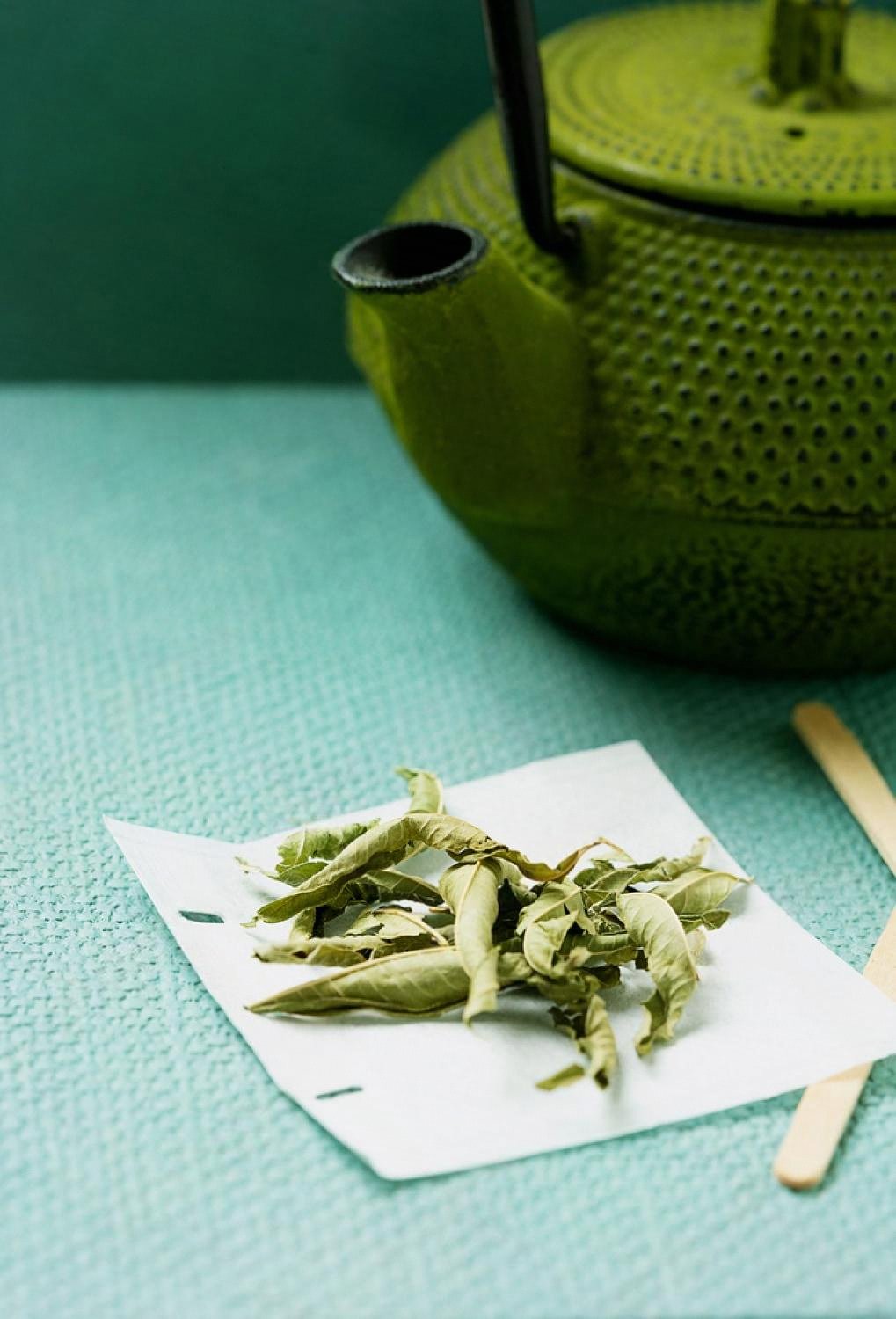
Quick contrast
Same cup, different plant
If your pouch lists only botanicals like peppermint, rooibos, hibiscus or ginger, you are drinking a tisane. If it lists green or black tea leaves alongside them, it is a blended true tea with added botanicals, and it will carry some caffeine. If you want to compare the two categories side by side, you can buy loose classic tea online from a UAE supplier and taste it against a pure herbal blend on the same evening.
What Actually Goes Into an Herbal Blend
Open any decent herbal pouch and you are looking at a small botanical garden. Flowers like chamomile, hibiscus and rose bring softness and colour. Leaves like peppermint, lemongrass, lemon verbena and rooibos carry the main flavour. Roots and rhizomes like ginger, liquorice and turmeric bring depth and heat. Bark, cinnamon most often, adds sweetness and warmth. Seeds like fennel, cardamom and coriander bring aromatic oils. Fruits and peels, from dried apple to orange peel to rosehip, add tang and body.
The reason blends taste so different has less to do with brand and more to do with which parts of which plants a blender has chosen, and in what proportions. A chamomile-heavy blend is soft and hay-like. A hibiscus-heavy blend is sharp and cranberry-red. Add cinnamon and cloves and you edge toward a spiced Levantine mood. Add mint and lemongrass and you land somewhere close to a hot afternoon in the mountains.
A short tour of the ingredients you will meet most often in the UAE market is worth having in your head:
- Chamomilesoft, apple-like, classic for winding down at night.
- Peppermintclean, cooling, aids after a heavy meal.
- Hibiscus (karkade)tart, ruby-red, drunk hot or iced across the region.
- Gingerwarming, sharp, common in cold-season blends.
- Lemongrassbright, citrusy, pairs well with green rooibos.
- Rosefloral, perfumed, deeply tied to Gulf and Iranian tradition.
- Cinnamonsweet, woody, balances tart or bitter partners.
Infusion Versus Decoction, and the Science of Steeping
Not every botanical wants the same treatment. Delicate flowers and leaves release their aroma quickly in water just off the boil, which is called infusion. Roots, bark and hard seeds hold their flavour more tightly, so they benefit from a gentle simmer, called decoction. Karak-style ginger and cinnamon brews rely on that principle without ever using the word.
Four variables shape almost everything you taste in the cup: water temperature, steep time, ingredient quantity, and water quality. Most herbal blends do well between 95 and 100 degrees Celsius, steeped for 5 to 7 minutes, at roughly one heaped teaspoon per 200 ml cup. Tap water in much of the UAE is fine after filtering, but hard water can flatten delicate florals, so a filter jug is a small investment that pays back in cup after cup.
Flavour follows the ingredient. Chamomile and lemon verbena land in the floral and grassy corner. Hibiscus, rosehip and dried berries land in the fruity and tart corner. Lemongrass and lemon peel carry the citrus notes. Rooibos, liquorice and cinnamon bring earthy sweetness. Ginger, black pepper and cardamom are the spicy side.
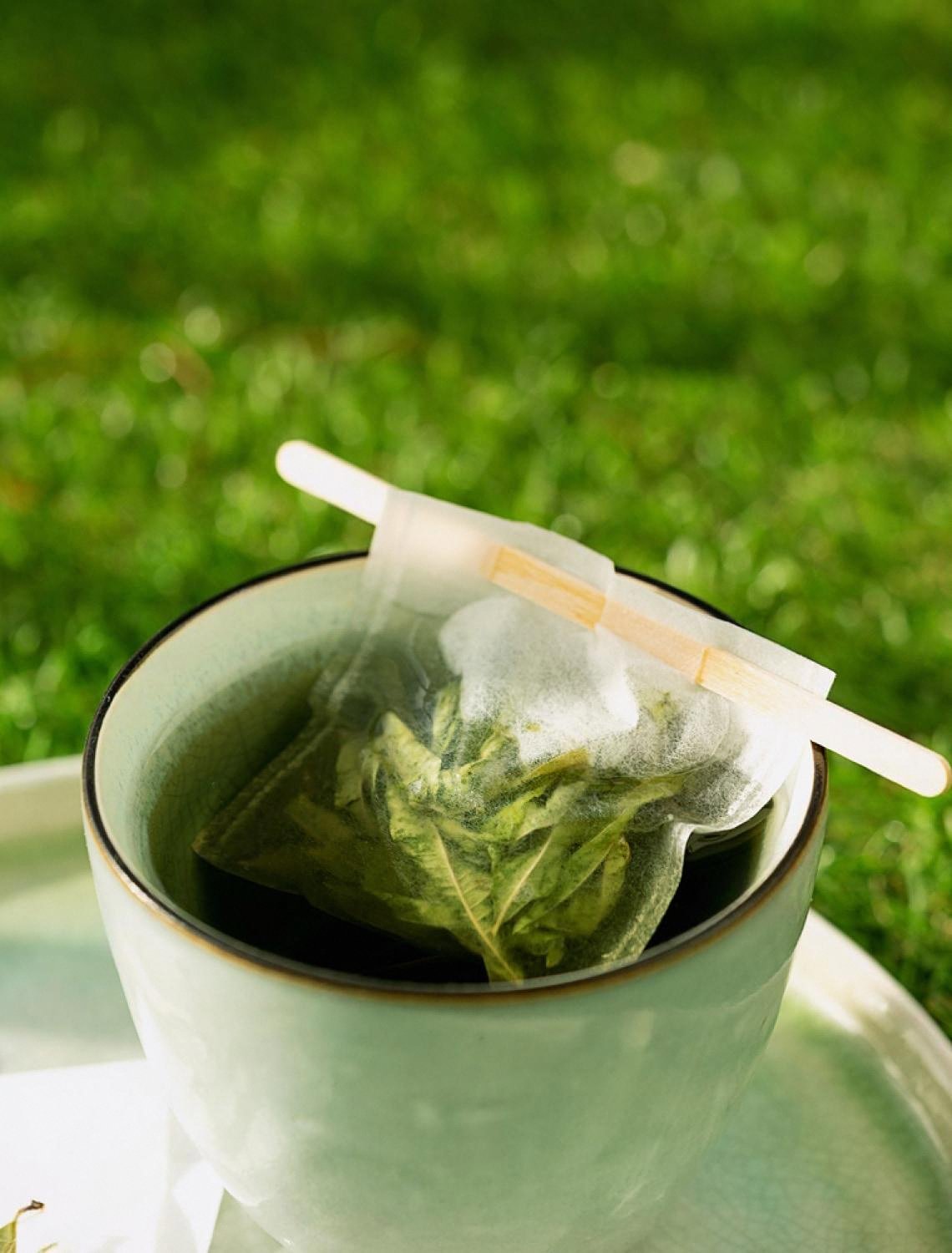
Loose leaf almost always beats bagged for one simple reason: room. Larger pieces of flower, leaf and peel can unfurl in the water, and that surface area is where flavour lives. Bags, especially the paper ones, chop everything smaller and box it in. Convenient, yes, but you trade aroma for speed. A simple mesh infuser or a small teapot is enough to close the gap.
Four Practical Rules for Building a Better Cup
If you take nothing else from this guide, take these four. They cover the mistakes I see most often in home kitchens across Dubai and Sharjah, and fixing them costs nothing.
Store away from heat, light and air
The UAE climate is the enemy of dried botanicals. Warm cupboards next to the oven, clear glass jars on a sunny counter, and half-open pouches all shorten the life of a good blend. Use an opaque, airtight tin, keep it in a cool cupboard away from strong-smelling spices, and buy in smaller quantities more often rather than one large bag once a year.
Measure the leaf, not the mug
Under-dosing is the most common reason people say herbal tea tastes like nothing. A pinch is not enough. Aim for one heaped teaspoon of loose blend per 200 ml of water, and adjust from there. If the blend is heavy in bulky ingredients like apple pieces or hibiscus flowers, use slightly more.
Respect the timer
Most tisanes hit their peak between five and seven minutes. Push much longer and delicate florals turn dusty, while spice-heavy blends can turn medicinal. Set a timer on your phone rather than guessing. If you like a stronger cup, add more leaf, not more time.
Match the blend to the moment
Chamomile and lavender for evenings. Peppermint or fennel after a heavy meal. Ginger and lemon when you feel a cold coming. Hibiscus, iced, for hot afternoons. Building a small rotation of two or three purposes beats owning ten pouches that all sit half-used.
Benefits, Safety and Choosing Well
Herbal tea sits in an interesting place between tradition and evidence. Chamomile has a long reputation as a mild sleep aid, and there is some clinical support for that use, though the effect is gentle. Peppermint has reasonable evidence for easing digestive discomfort. Ginger is one of the more studied botanicals, particularly for nausea. Many other traditional uses are still being investigated, so it is fair to enjoy them for taste and comfort without expecting a pharmacy in a cup.
Safety deserves a word. Herbal does not mean harmless. Liquorice root can raise blood pressure if taken heavily. Some blends interact with prescription medication. Pregnancy narrows the safe list considerably, and anyone with allergies to the daisy family should be cautious with chamomile. If you take regular medication or you are pregnant, a quick check with your doctor before making a new blend a daily habit is sensible.
When it comes to choosing, start with the flavour family you actually enjoy rather than the health claim on the front of the pack. If you like citrus, look for lemongrass and lemon verbena. If you like tart and refreshing, hibiscus and rosehip. If you like warm and sweet, rooibos with cinnamon. A UAE stockist with a wide botanical range makes this easier: browsing the best herbal tea Dubai shelves side by side lets you compare aroma and colour before you commit to a full tin. If a soft, floral, sleep-friendly cup is what you are after, a straight chamomile tea Dubai pouch is a good place to begin, since it teaches you what a clean single-botanical infusion should taste like before you move on to blends.
Across the world, the shape of these habits changes but the idea is the same. Karkade in Egypt, maghrebi mint in Morocco, rooibos in South Africa, mate in South America, chrysanthemum in China. In the Gulf, cardamom-heavy blends and rosewater-touched infusions carry the same role: something warm, something aromatic, something that gives the day a pause. Understanding what is really in the cup does not remove the ritual. It just makes the ritual a little more honest.
Frequently asked questions
Is herbal tea really tea?
Strictly speaking, no. True tea comes only from the Camellia sinensis plant. Herbal teas are infusions of other botanicals like chamomile, mint, hibiscus, ginger and rose, so they are more accurately called tisanes. The word tea has just been borrowed as a convenient label.
Is herbal tea always caffeine-free?
Pure herbal blends made only from flowers, leaves, roots, spices or fruit are naturally caffeine-free. However, some products labelled herbal are actually blends of botanicals with green or black tea leaves, and those will contain caffeine. Always check the ingredient list if you want to avoid it entirely.
How long should I steep herbal tea?
Most herbal blends taste best steeped for 5 to 7 minutes in water just off the boil, around 95 to 100 degrees Celsius. Tougher ingredients like ginger root, cinnamon bark or liquorice can benefit from a gentle simmer instead of a plain steep. If you like a stronger cup, add more leaf rather than extending the steep, which can turn delicate florals dusty.
Does herbal tea expire?
It does not spoil in the way that fresh food does, but it steadily loses aroma and flavour. Most loose herbal blends taste their best within a year of packing if kept in an airtight, opaque tin away from heat and light. In the UAE climate, storage matters more than the printed date, so a cool cupboard away from the oven and strong spices makes a real difference.
Can I mix different herbs together at home?
Yes, and it is one of the pleasures of loose leaf. A good starting point is to combine a base ingredient like rooibos or lemongrass with one or two accent botanicals like rose, cardamom or dried orange peel. Start with small quantities, taste as you go, and keep notes so you can rebuild a blend you loved.
Avoid blending anything you do not recognise, and take extra care with strong herbs like liquorice, sage or St John’s Wort, which can interact with medication.
What is the best way to store loose herbal tea in the UAE?
Keep it in an airtight, opaque container, away from direct sunlight, the oven, the kettle and strong-smelling spices. Humidity is a bigger enemy than most people realise, especially in coastal cities, so avoid the fridge, which introduces moisture every time you open the tin. A cool interior cupboard is ideal.
Loose leaf or tea bags, which is better for herbal blends?
Loose leaf almost always gives a better cup because the larger pieces of flower, leaf and peel can expand fully in water, releasing more aroma and flavour. Bags are convenient but usually contain smaller cut ingredients with less character. A simple mesh infuser closes most of the gap for very little cost.

Skier, ramen eater, audiophile, reclaimed wood collector and RISD grad. Working at the fulcrum of minimalism and computer science to craft meaningful ideas that endure. Let’s make every day A RAZZLE-DAZZLE MUSICAL.