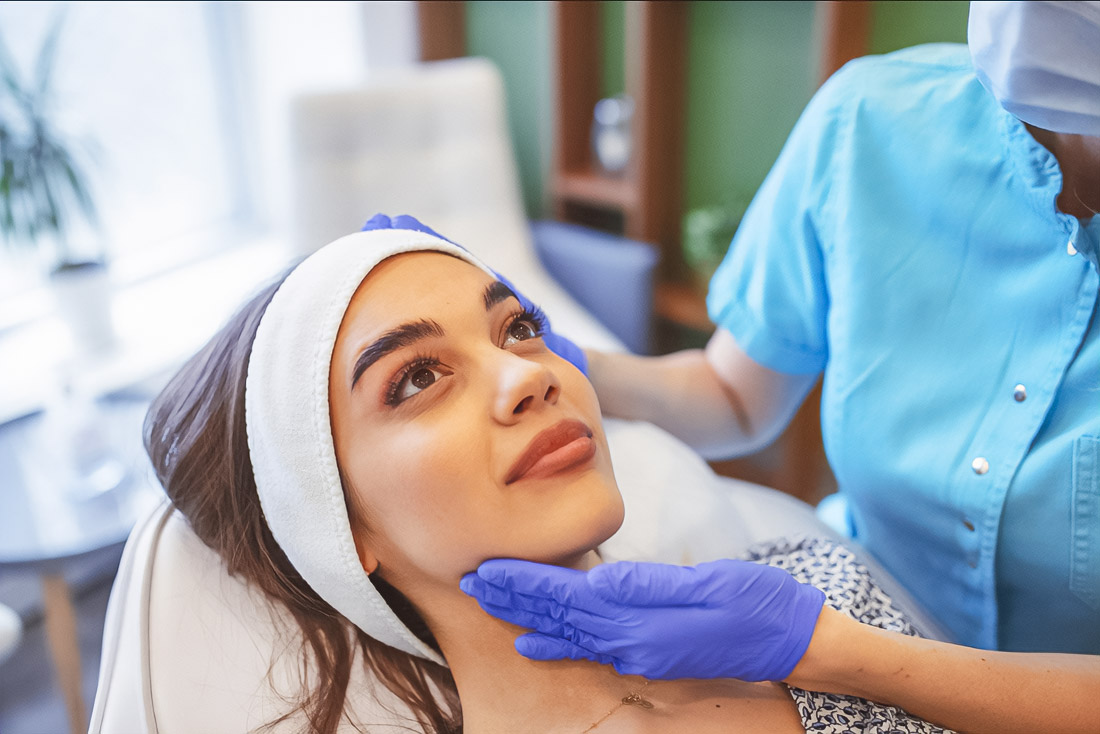
Postnatal skin restoration in the winter climate of Dubai. Dryness, sensitivity, and melasma often go hand in hand with hormonal changes after pregnancy. The skin loses its water balance faster due to dry air and air-conditioned rooms. We need smart care and strict sun protection all year round.
Hydration and Barrier Function
Dubai’s winter climate is characterized by low humidity, so humidification becomes a top priority. Start with a gentle cleansing without sulfates, so as not to destroy the lipid layer. In the morning, apply an antioxidant serum with vitamin C and niacinamide. These assets maintain an even tone and reduce oxidative stress. Then use a cream with hyaluronic acid and ceramide components. They help to retain moisture and strengthen the barrier function. Finish the treatment with an SPF 50+ sunscreen. In Dubai, ultraviolet light is active even in winter. When you are outdoors, update your protection every 2-3 hours. Do a double cleansing in the evening. First, use micellar water or mild oil. Then the usual gel or cream clinzer. Night care is based on regeneration. Choose serums with azelaic acid or retinoids as prescribed by a dermatologist. Apply a nourishing cream or a moisturizing mask on top. Room humidifiers and adequate drinking enhance the effect, especially when under the supervision of an aesthetic clinic dubai where skin specialists understand local conditions.
Melasma and Hyperpigmentation After Pregnancy
Melasma is associated with hyperreactivity of melanocytes. It is provoked by ultraviolet radiation, heat and hormonal fluctuations. In winter, the skin tolerates corrective procedures better, but the strategy should remain gentle. The basis of home care for people with a tendency to melasma is simple. Daily SPF 50+, antioxidants in the morning, mild depigmentation support as prescribed by a doctor. Clinical plans use combinations of soft peels, low-energy laser techniques, and medical cosmetics. Solutions are always selected taking into account the phototype and sensitivity. Self-medication with aggressive acids increases the risk of irritation and hyperpigmentation outbreaks. Dermatological control is required. It is better to coordinate any regime changes. Accuracy is more important than speed.
Household habits and prevention of dryness
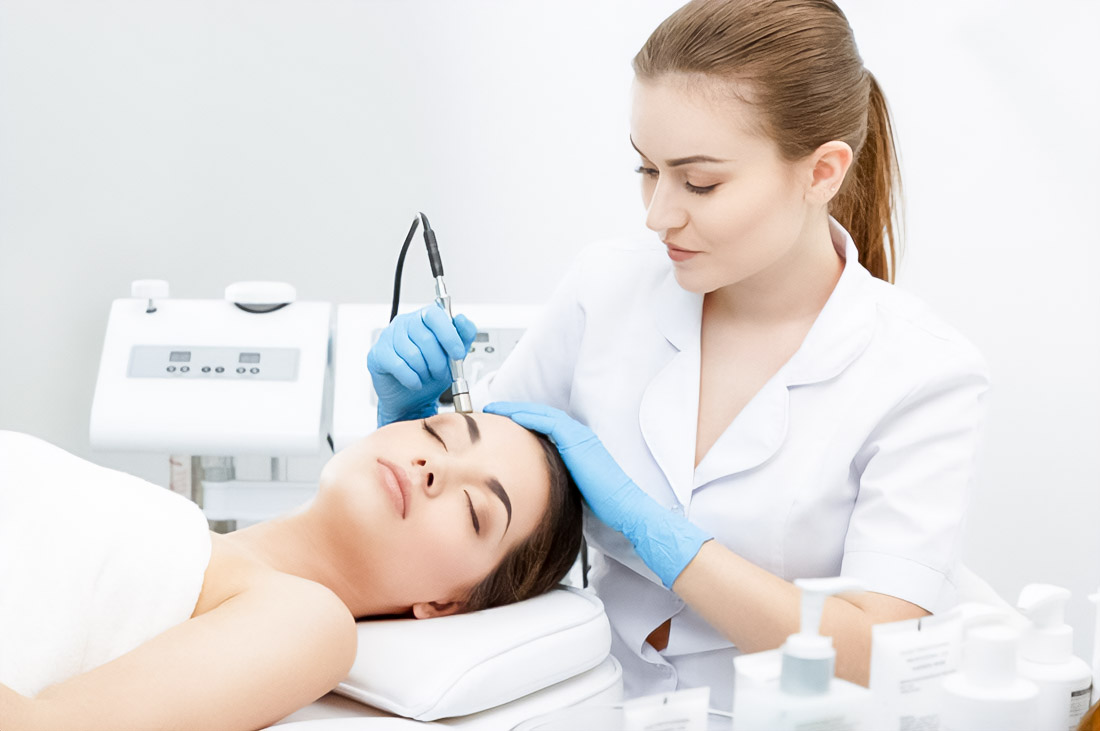
In winter, the skin quickly loses moisture due to the dry outside air and the cold internal currents from the air conditioners. Reduce the hot shower time to about ten minutes. After each wash, return the moisture with a cream. Give preference to non-comedogenic, saturated textures for the face and body. Avoid scented formulas and aggressive alcohols. Perfumes often cause irritation and itching. Experiment with textures. Gels are suitable for oily skin, creams and balms are more comfortable for dry and sensitive skin. Exfoliation should be rare and mild. Once a week is enough. Choose lactic acid or mandelic acid instead of harsh scrubs. This way you will remove peeling and not destroy the barrier. Add care to the area around the eyes and lips. The skin is thinner and dries faster there. In the morning, light formulas with caffeine will do. At night, use more dense compositions with ceramides and oils.
The right combination of habits and cosmetics works better than chasing new cans. Daily gentle cleansing maintains the barrier. Antioxidants and SPF 50+ control melasma and photoaging. Hyaluronic acid and ceramides maintain the water balance. Nighttime nutrition accelerates regeneration. A rare but competent exfoliation removes dullness without injury. Keep in mind the seasonal adaptation. In winter, formulas may be denser and peels softer. And one more rule. Any active program with a tendency to hyperpigmentation should be confirmed by a dermatologist. It’s safer that way. And noticeably more effective.

Skier, ramen eater, audiophile, reclaimed wood collector and RISD grad. Working at the fulcrum of minimalism and computer science to craft meaningful ideas that endure. Let’s make every day A RAZZLE-DAZZLE MUSICAL.